
The Most Common Ways Ransomware Gets Into Your Network
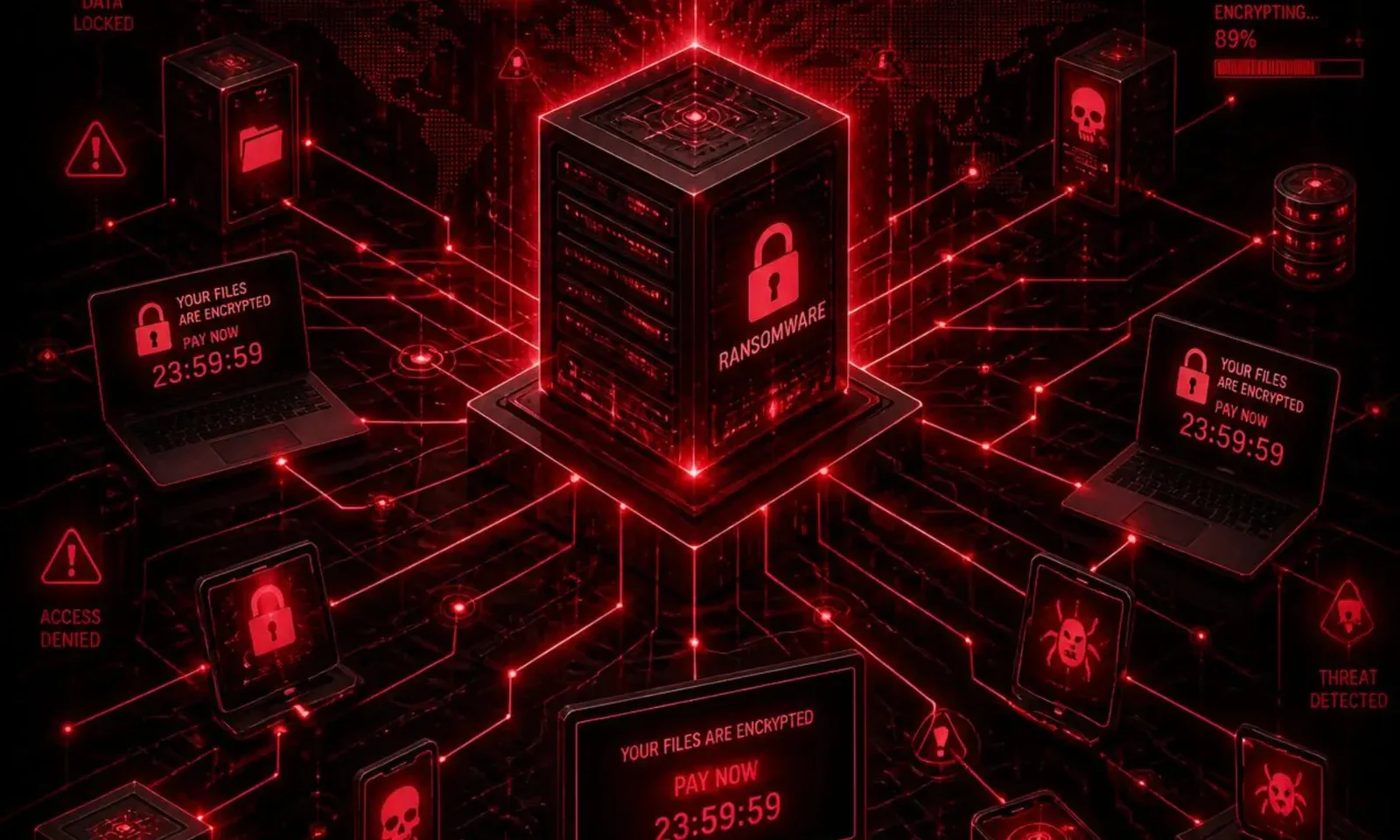
Ransomware attacks rarely happen by chance. Most begin with a small security gap that attackers exploit to gain a foothold inside an organization’s network. Whether it’s a convincing phishing email, an unpatched vulnerability, or stolen credentials, understanding how ransomware operators gain access is the first step toward preventing an attack.
Email phishing remains one of the most effective ransomware delivery methods. Attackers craft emails that appear to come from trusted organizations, colleagues, or business partners in an attempt to trick recipients into opening malicious attachments, clicking harmful links, or revealing login credentials. Modern phishing campaigns are becoming increasingly sophisticated, with cybercriminals using artificial intelligence to create convincing emails and highly targeted social engineering attacks that are difficult to distinguish from legitimate communications.
Another common entry point is unpatched software. Cybercriminals actively scan the internet for organizations running vulnerable applications, VPN appliances, web servers, operating systems, and remote access services. Once a known vulnerability is discovered, attackers can exploit it to gain access, establish persistence, and move throughout the network before deploying ransomware. Organizations that delay security updates or lack an effective vulnerability management program significantly increase their risk.
Stolen credentials also continue to fuel ransomware attacks. Login information obtained through previous data breaches, credential-stealing malware, or phishing campaigns is routinely bought and sold on underground marketplaces. Attackers use these credentials to access corporate networks through remote desktop services, cloud platforms, or virtual private networks. Even organizations using multi-factor authentication are not immune, as attackers increasingly rely on techniques such as session hijacking and MFA fatigue attacks to bypass additional security controls.
Compromised websites and malicious online advertisements can also serve as ransomware delivery mechanisms. In some cases, simply visiting an infected website can trigger the download of malicious code if a browser or plugin contains an unpatched vulnerability. While modern browsers have significantly improved security, outdated software can still provide attackers with an opportunity to install malware without the user’s knowledge.
Supply chain attacks have become another growing concern. Rather than targeting one organization at a time, ransomware groups increasingly compromise trusted software vendors, managed service providers, or third-party technology partners. By exploiting a single supplier, attackers can gain access to dozens or even hundreds of customer environments. These incidents demonstrate why vendor risk management, software integrity verification, and continuous monitoring have become essential components of cybersecurity.
No single security control can stop every ransomware attack. Effective defense requires multiple layers of protection working together, including employee security awareness training, timely patch management, multi-factor authentication, endpoint detection and response, network segmentation, continuous monitoring, and secure, regularly tested backups. Organizations that combine these controls are far better positioned to detect attacks early and minimize their impact.
Ransomware continues to evolve, but so do the tools and strategies available to defend against it. Understanding how attackers gain initial access allows organizations to focus their security efforts where they matter most and reduce the likelihood of becoming the next victim.
If your organization is preparing for a ransomware threat or responding to an active incident, Chaintrax Cyber provides expert ransomware recovery, digital forensics, incident response, and threat intelligence services. Contact us to learn how we can help strengthen your defenses, contain attacks, and recover with confidence.