Defending Against AI-Driven Cyber Attacks
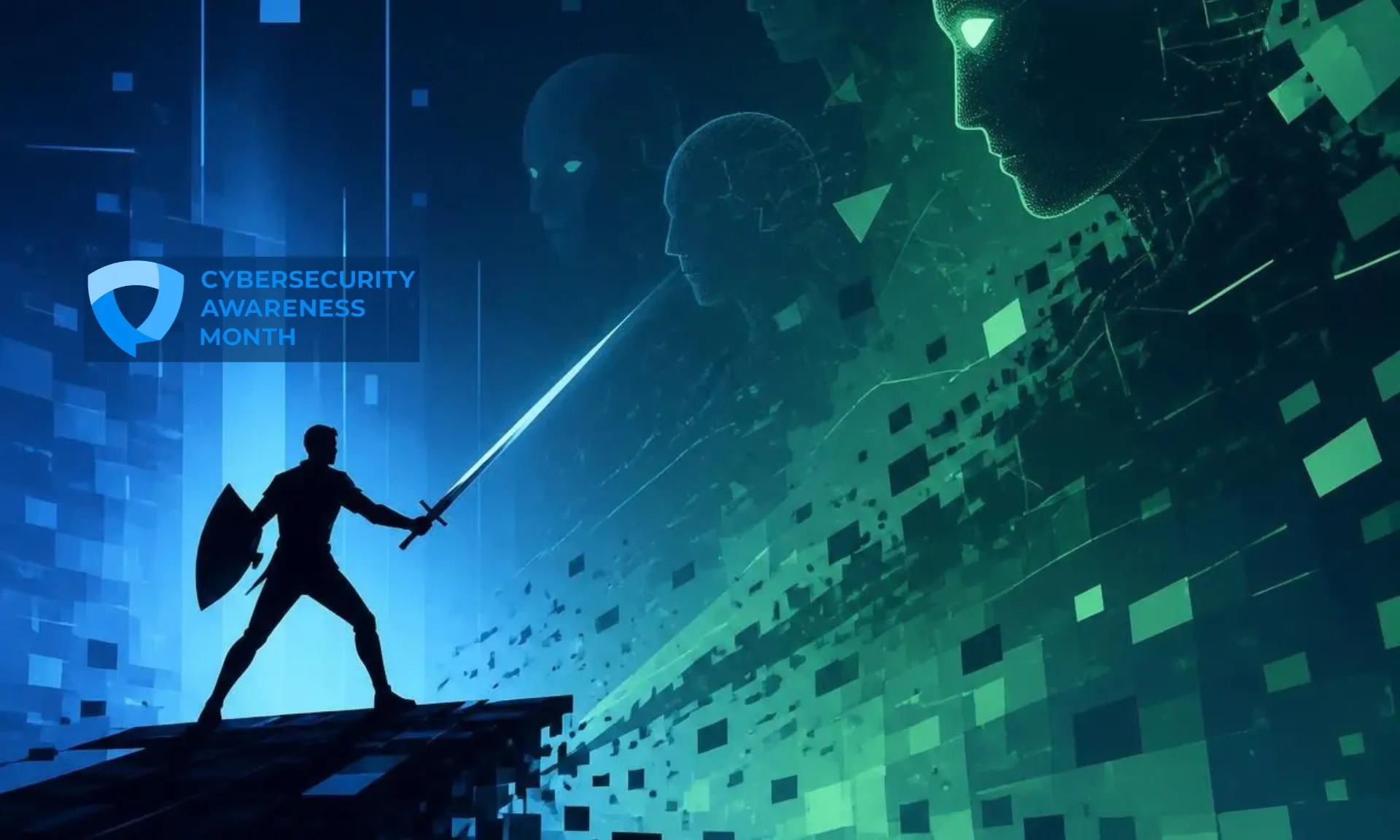
Generative Artificial Intelligence (GenAI) is transforming the way we work. From improving productivity and creating content, to analyzing information and automating everyday tasks, GenAI has quickly become an integral part of the modern workplace.
But cybercriminals are also utilizing this advanced technology to create flawless, smarter, and more convincing social engineering campaigns to target a wide range of individuals at a faster rate.
Traditional social engineering campaigns contained obvious warning signs that included poor grammar, spelling mistakes, generic greeting, or random requests. But the use of Generative AI has eliminated these red flags, allowing attackers to create more sophisticated, personalized and professional-looking phishing messages that have become harder to identify through human eye and sometimes also bypass signature-based email filters.
This blog breaks down the Modern AI-Driven Cyber trends and provides practical tips to stay vigilant and protect falling prey to these scams.
Modern Phishing in the Age of AI
Use of Gen-AI allows cybercriminals to scrape publicly available information to create highly convincing, personalized, and polished social engineering campaigns. AI can also help attackers to mimic an organization’s communication style, tone and formatting, making fraudulent messages appear more authentic. Furthermore, advanced AI tools can help criminals quickly build genuine-looking fake websites,documents, or other digital content to trick individuals into entering credentials, sharing sensitive information or opening malicious scripts.
Protecting yourself from Modern Phishing Attempts?
With evolving phishing tactics, individuals need to look beyond traditional warning signs and adopt new ways to identify suspicious activities:
-
Look for Behavior Anomalies, Not Just Typos - Shift your focus from how a message looks to whether the request itself makes sense. Be suspicious of urgent, unexpected, or unusual requests, especially those related to financial transactions, credentials or code verification, or requesting sensitive information.
-
Practice Good Digital Hygiene Daily - Follow essential cybersecurity and digital hygiene habits listed in the previous blog post (Link to week 1 blog) to build stronger security habits into everyday practices.
-
Out-of-Band Verification Methods - Establish pre-defined communication strategies to verify unusual requests through known and trusted verification methods. Never respond by replying directly to the suspicious and unusual communication request.
Deepfakes and Voice Cloning
Instead of just relying on traditional social engineering attempts, cybercriminals are now using AI to create highly realistic synthetic media content that includes deepfake images, videos and audio messages. Advanced AI tools can be leveraged to clone the voice or video of an individual to create impersonation scams. Attackers may impersonate executives, coworkers, customers, vendors, family members, or other trusted individuals to conduct more convincing social engineering campaigns.
Protecting yourself from Deepfake and Voice Cloning Scams
-
Establish an Internal “Safe Word” or Phrase: Implement a secure, pre-arranged verification phrase or procedure for sensitive requests, and always require multi-person approval flow for financial transactions.
-
Watch for Deepfake Video Glitches: During video and voice calls, look for unnatural movements and facial expressions, mismatched lip synchronization, strange lighting shifts and visual effects, or unusual voice modulation.
-
Watch for Deepfake Video Glitches: Look for inconsistent behaviour patterns, especially for known individuals. Always be suspicious of unexpected requests and verify the identity through known phrases or memory incidents.
Hybrid AI Workspace
Modern workspaces are increasingly adopting hybrid workspace model - a blend between in-office and remote working environments. While this provides flexibility and productivity benefits, it also introduces silent but severe security risks. One major emerging concern is the use of public or unauthorized AI tools.
Employees may inadvertently enter sensitive information such as internal documents, source codes, customer data, or confidential and proprietary information into public AI platforms, which may lead to accidental data leaks and regulatory non-compliance.
Securing Workspace in the age of AI
-
Watch for Deepfake Video Glitches: Establish clear, enforceable policies detailing the acceptable use of AI. Pair it with enhanced endpoint monitoring to ensure the policy is being followed and no sensitive or proprietary data is leaked into external platforms for securing the hybrid working environments,
-
Whitelisting AI Applications: Maintain a list of approved enterprise AI tools reviewed as per privacy, security and compliance requirements. Ensure only these tools are used by the employees and block unapproved tools.
-
Sanitize Prompts, and Verify AI Outputs: Only input, generalized, publicly available and de-identified data into AI tools. Never input sensitive data, Personally Identifiable Information (PII), credentials and passkeys, and proprietary or customer data into these tools. Always verify AI generated information to ensure it makes sense. Consider another person to quality check the output independently before finalizing.
The technological landscape is changing rapidly due to the adoption of Generative AI. However, the fundamentals of security remain the same. Attackers are leveraging AI technology to create more convincing social engineering campaigns, but staying vigilant and practicing awareness still remains the strongest first line of defense.
Adopt stronger security practices and be mindful of what information you enter into AI platforms. Pause and Think before you respond to an unusual message, and always Verify through trusted sources.